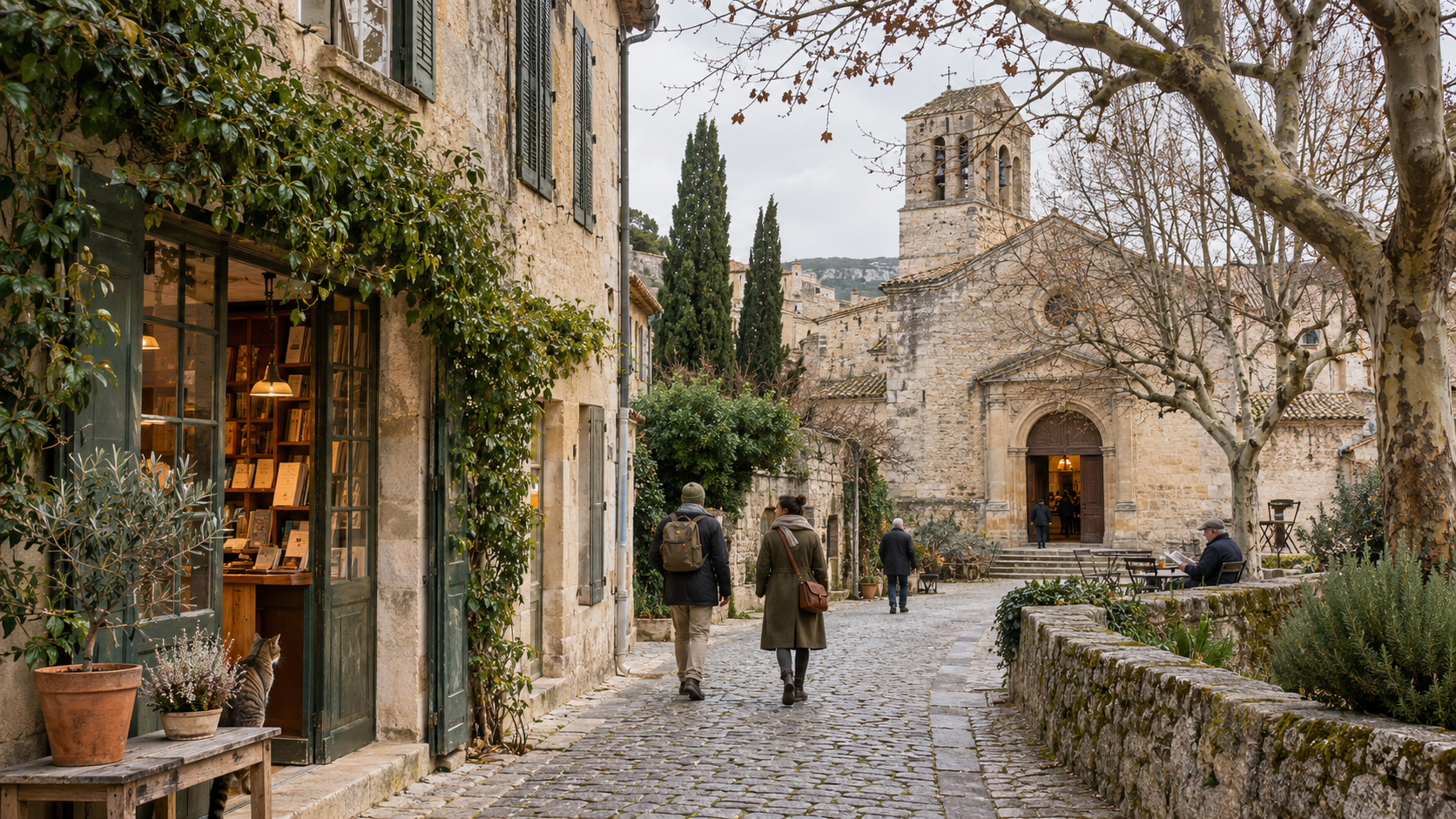
Culture, Heritage and Quieter Places
European travel intention is rising. On November 9, the European Travel Commission reported that 76 percent of surveyed Europeans intend to travel between October 2026 and March 2027—three percentage points more than in the same period a year earlier.
Alongside that growth, city breaks and culture-and-heritage journeys have returned to the leading reasons for travel. Forty-four percent favor places that are less popular among tourists, while a further 10 percent prefer remote or off-the-beaten-track destinations.
The same report finds that 40 percent of travelers now use AI tools during inspiration, planning or booking. Among travelers aged 18–34, the proportion rises to 56 percent.
Those are the reported facts. They are travel intentions, not confirmed reservations, and the survey is not limited to luxury travelers. Fifty-five percent of those planning a trip have yet to book it, while financial pressure remains their most frequently cited concern.
Our reading of the signal is therefore measured.
The report does not prove that Europe is about to see a sudden rush toward castles, private houses or slower journeys. It does suggest that three ideas increasingly belong together: cultural meaning, quieter places and digital discovery.
For historic estates and the people who interpret them, this creates an opportunity—and a responsibility. Being away from the crowds is valuable only if the place remains accessible, the hospitality is dependable and the story can be understood before the traveler arrives.
The quieter parts of Europe do not need to imitate the great capitals. They do need to become easier to discover, easier to trust and more thoughtfully connected to the journey around them.
Primary sources
