The First Question Is Often the Least Glamorous
An observation from Botaniq about design, hospitality and what guests actually remember.
When I visit a hotel, I do not always begin with the most obvious questions. I do not first ask about the thread count, the wine list or the view from the most expensive room.
Sometimes I ask something much less glamorous:
Where is the toilet?
It may sound like an unusual beginning when the conversation is about historic architecture, beautiful interiors and hospitality. But it is often one of the most revealing questions a guest can ask.
A place may photograph beautifully and still be uncomfortable to inhabit. It may have an impressive entrance, carefully restored rooms and a strong visual identity, yet fail in the ordinary moments that quietly shape the experience of staying there.
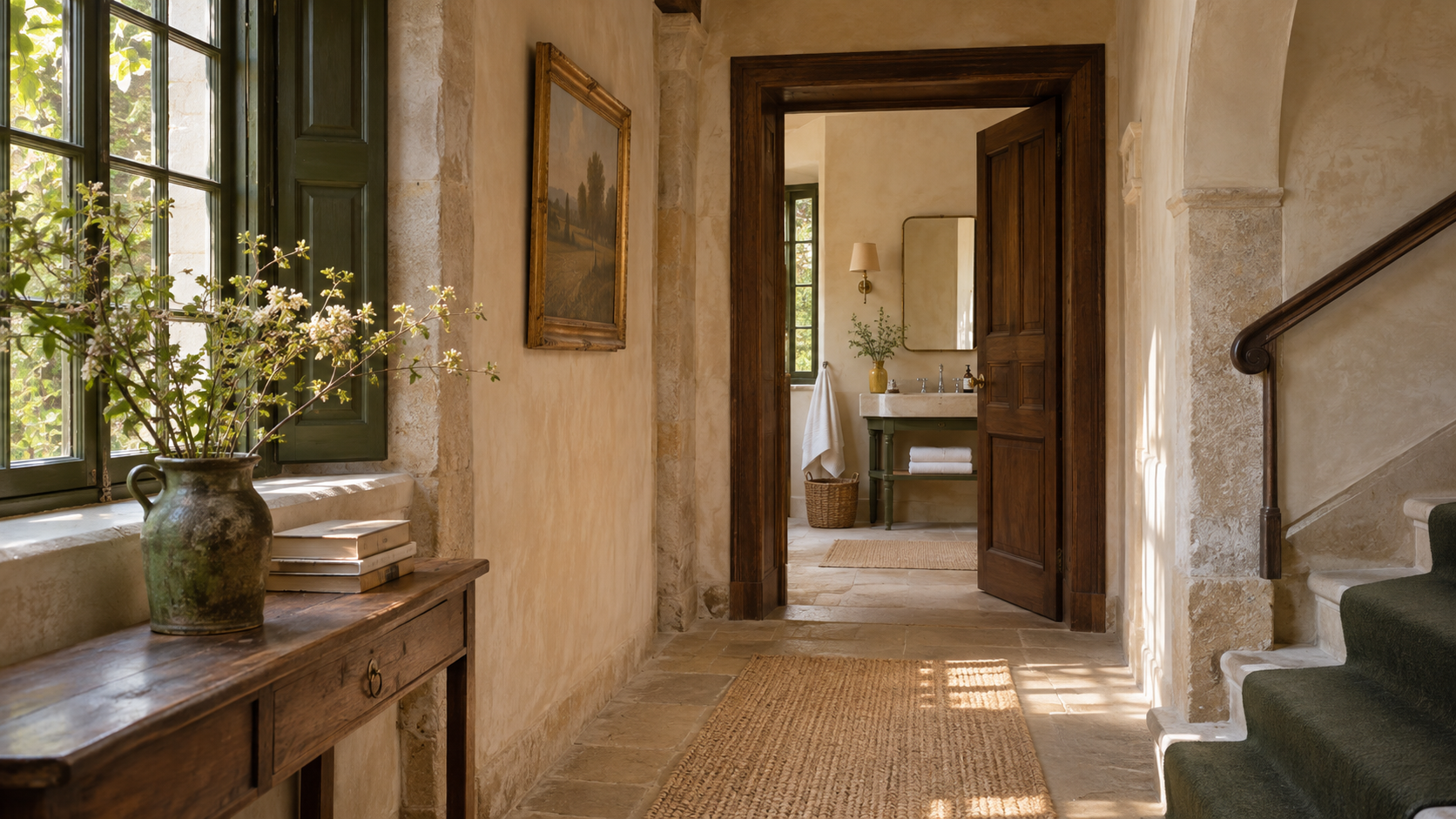
The bathroom tells us a great deal. It tells us whether privacy was considered. Whether the room was designed for real life or only for visual effect. Whether someone thought about what happens after the first impression has passed.
During a visit to Botaniq, I found myself thinking about this distinction again. The property has qualities that immediately attract attention: architecture, landscape, history, design, and atmosphere. It is a place that can make an excellent first impression. But the first impression is not the whole experience.
The more important question is whether the property continues to make sense once guests begin to live inside it. Once they wake up, move through the room, look for somewhere to put their belongings, return from the garden, sit down for dinner, or ask a practical question that will never appear in a brochure.
This is where hospitality separates itself from decoration.
Design is what we see.
Hospitality is what the place understands.
Historic buildings make this distinction particularly important. Restoration is not complete when the walls look beautiful. The building must also become comfortable enough for contemporary life without losing the qualities that made it worth preserving.
That requires judgment. Not every old feature should remain untouched. Not every modern solution belongs in a historic room. The challenge is to improve the experience without making the place feel generic.
The toilet is therefore not really about the toilet. It is about whether the house has been considered from the guest’s perspective. That is often where the truth is found: not in the grand entrance, but in the practical details no one photographs.
A good hotel understands that guests experience a property in sequence. They arrive, settle in, find their way around, eat, sleep, wash, dress, wait, return and leave. Every one of those moments either confirms the promise of the place or quietly contradicts it. The most convincing hospitality does not announce itself. It removes unnecessary friction.
The door opens easily. The lighting works. The room has somewhere sensible for a suitcase. The path is clear. The welcome is warm without becoming theatrical. The staff knows enough about the house to answer a question properly. None of these details is particularly glamorous. Together, they determine whether the place feels generous.
This is why we should be cautious when luxury is reduced to surfaces. Marble, linen, silver and beautiful views matter, but they are not enough. A property can possess all of them and still feel strangely indifferent. True care is more demanding.
It asks what the guest will need before the guest has to ask. It also understands that comfort should not erase character. A historic house should not be forced to behave like a newly built hotel. Its proportions, materials and irregularities may be part of what makes it memorable.
But character should never become an excuse for neglect. The right balance is not always obvious. It may require a discreet modern intervention, a better arrangement or a small decision that no guest will consciously notice. That is often the point.
The best solutions are frequently the ones that allow the history of a place to remain visible while making contemporary life feel entirely natural.
At Freire & Co., we are interested in places where design and hospitality support one another. Where the beauty of a building is not used to excuse discomfort, and where modern comfort does not erase the character of the house.
The best places make the practical feel natural. They allow us to notice the architecture, the garden, the meal and the history because the basic experience has been handled so well that it does not demand our attention.
This is also why the smallest questions matter. Where will the guests leave their coats? Is the path easy to find after dark? Can someone move comfortably through the room? Is there enough privacy? What happens when the weather changes? Where does the evening continue after dinner?
These questions may not sound romantic. But they are part of what makes a place feel cared for. So yes, when I visit a hotel, I may ask where the toilet is. Because the answer often reveals whether the place was designed merely to be admired — or whether it was prepared to receive people.
And a place that is truly prepared to receive people will always be more interesting than one that is merely beautiful.